
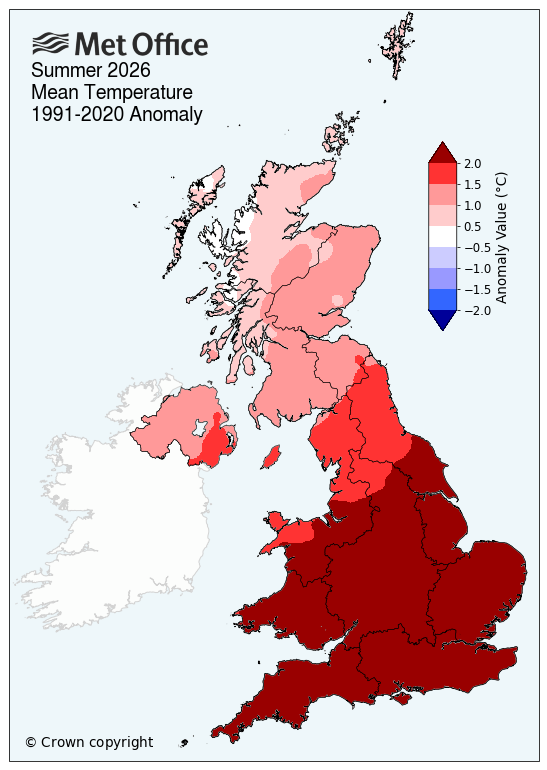


After the hottest summer on record with below-average rainfall and areas reaching drought status, meteorological autumn has started with a wet month and temperatures around […]

EU-funded NUSOJ initiative builds Somali journalists’ skills with UNDP support
The National Union of Somali Journalists (NUSOJ) has completed two capacity-building workshops in Mogadishu and…

Somalia Launches 4th National Cybersecurity Forum in Mogadishu
Mogadishu, Somalia – 27 October 2026 – The 4th National Cyber Security Forum officially launched today in Mogadishu, jointly organized by the National Communications Authority (NCA) and Mogadishu University. The…

Storm Boelo named as strong winds forecast for northern UK
A deep area of low pressure is forecast to bring impactful winds on Saturday night and through Sunday to northern parts of the UK. The system will be invigorated by…

Met Office renews contract with Heathrow Airport
The renewed agreement will see the Met Office continue to provide dedicated meteorological expertise based at Heathrow, delivering specialist forecasts and operational weather support to help the airport prepare for…
Poll body has a date for the vote, but no deal to hold it
The government has named the days citizens will go to the polls, but the country’s politics are still miles from agreeing on how they will get there. On Thursday, the…
SNAIC Convenes Roundtable on Shaping Somalia’s AI Future
SNAIC Convenes Roundtable on Shaping Somalia’s AI Future Mogadishu, Somalia – 2 October 2026 –…
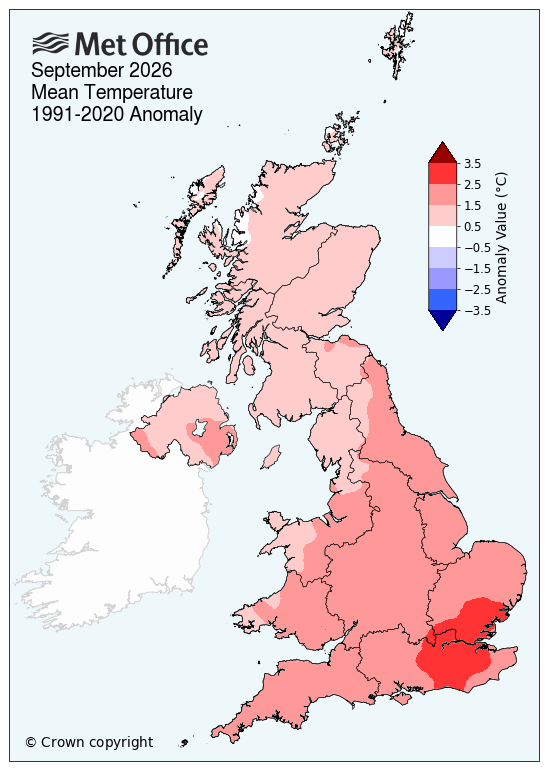
Joint-fourth warmest September on record for the UK
Spurred on by late month warmth, which saw the maximum temperature rise as high as…

Warmer weather for some, but turning increasingly wet and windy next week
Although, there are emerging signals for increasingly wet and windy weather next week. Thursday will be…
Only One in Ten Women Journalists Feel Safe at Work in Somalia, NUSOJ Report Finds
Marking the International Day to End Impunity for Crimes against Journalists, the National Union of Somali Journalists (NUSOJ) today launched a revealing new report on the workplace crisis facing women…
EU-funded NUSOJ initiative builds Somali journalists’ skills with UNDP support
The National Union of Somali Journalists (NUSOJ) has completed two capacity-building workshops in Mogadishu and Galkayo, helping journalists strengthen their skills in ethical reporting, gender equality and digital safety as…
FROM DEATH ROW TO HERO: HOW A FUGITIVE SAVED 40 SNA SOLDIERS
In a dramatic twist of fate, a man sentenced to face a firing squad has emerged as the savior of the very government tracking him down. Duqow, a fugitive who…
AU advances drive to make democracy a lived experience across Africa, with media and socialisation at its core
ADDIS ABABA, Ethiopia — The African Union Commission is stepping up efforts to strengthen democracy across the continent by promoting people-centred socialisation, credible information, public participation and the role of…
Only One in Ten Women Journalists Feel Safe at Work in Somalia, NUSOJ Report Finds
Marking the International Day to End Impunity for Crimes against Journalists, the National Union of Somali Journalists (NUSOJ) today launched a revealing new report on the workplace crisis facing women…
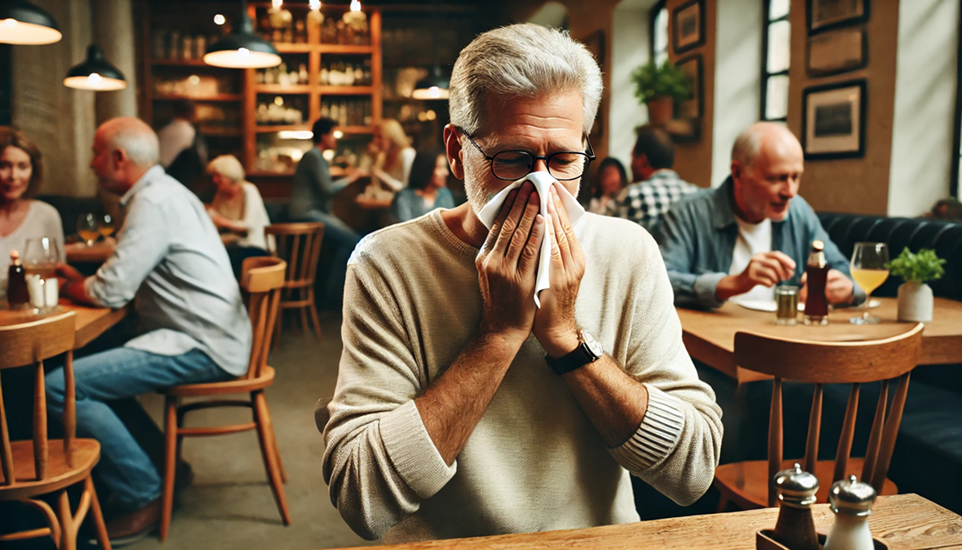
Man sneezes his intestines out of his body at a public restaurant
A 63-year-old man from Florida sneezed so hard that a part of his intestines came out through his surgical wound while he was dining with his wife at a local…

Aldi Invites Children Nationwide to Design Recycle Week Poster for a Chance to Win £250 Voucher
To mark Recycle Week (14th-20th October), Aldi is calling on children across the country to design a poster to encourage people to recycle. Britain’s fourth-largest supermarket is inviting children to…
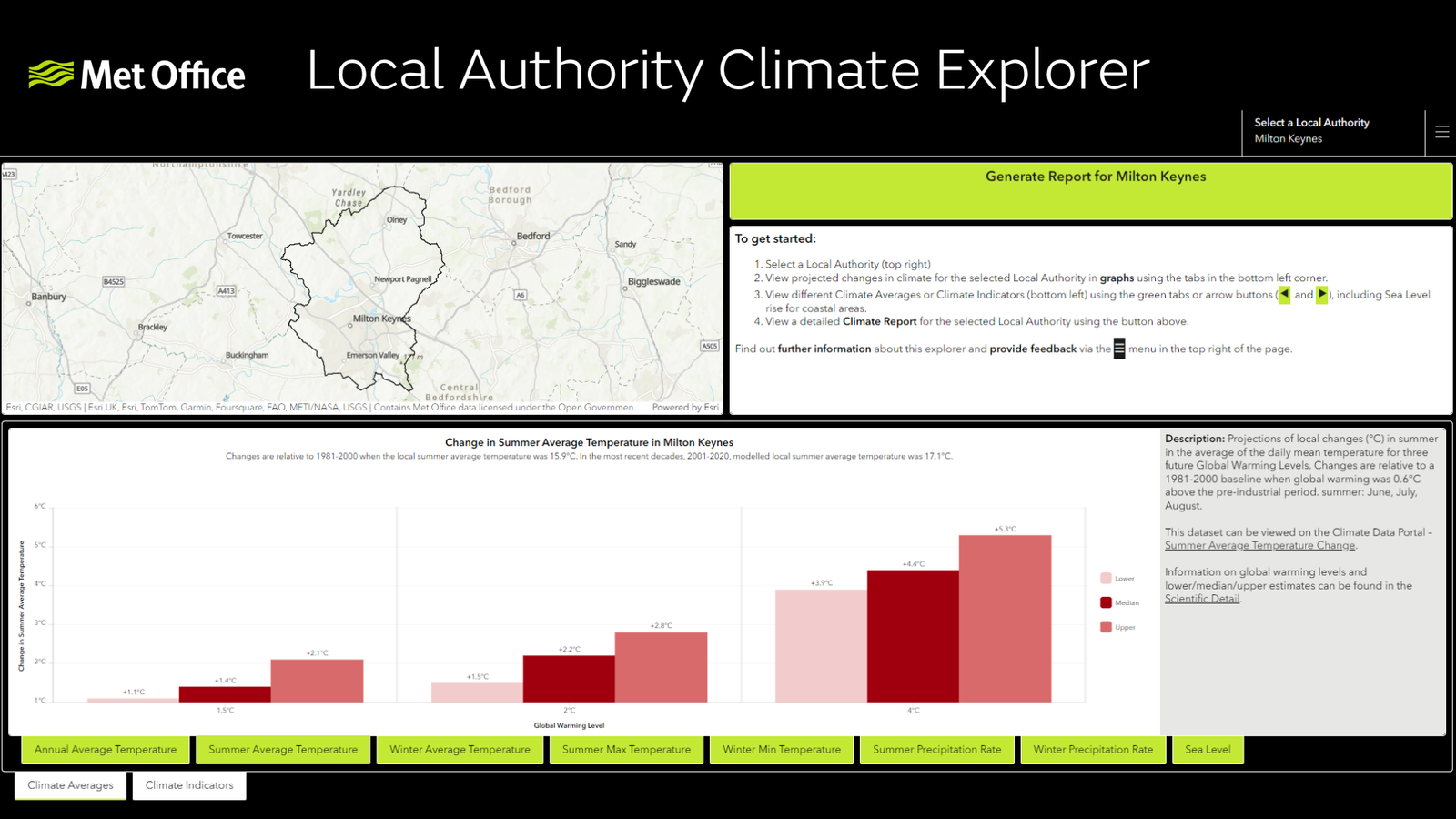
Met Office launches new Local Authority Climate Service
The Met Office has today launched the Local Authority Climate Service, a tool that provides local authorities with easy access to tailored information on climate change, to support local climate…

Settled weekend before signs of some wetter weather to come
A settled weekend for mostAs rain clears the southeast on Friday, high pressure will build…
SNAIC Convenes Roundtable on Shaping Somalia’s AI Future
SNAIC Convenes Roundtable on Shaping Somalia’s AI Future Mogadishu, Somalia – 2 October 2026 –…
Joint-fourth warmest September on record for the UK
Spurred on by late month warmth, which saw the maximum temperature rise as high as…
Warmer weather for some, but turning increasingly wet and windy next week
Although, there are emerging signals for increasingly wet and windy weather next week. Thursday will be…

Singapore Leadership Study Tour Held for Somalia Leaders
Senior Somali officials completed a Singapore leadership study tour, gaining governance and public-sector insights at…
EU-funded NUSOJ initiative builds Somali journalists’ skills with UNDP support
The National Union of Somali Journalists (NUSOJ) has completed two capacity-building workshops in Mogadishu and…
FROM DEATH ROW TO HERO: HOW A FUGITIVE SAVED 40 SNA SOLDIERS
In a dramatic twist of fate, a man sentenced to face a firing squad has…
AU advances drive to make democracy a lived experience across Africa, with media and socialisation at its core
ADDIS ABABA, Ethiopia — The African Union Commission is stepping up efforts to strengthen democracy…
Mogadishu Police Warn Youth Against Dangerous Acts at Football Stadiums
Mogadishu – Somali police have issued a stern warning to young people after arresting seven suspects accused of endangering public safety at the Mogadishu Stadium, […]
President Hassan Sheikh Opens 7th Session of Federal Parliament, Calls for Unity and Constitutional Completion
Somalia’s President Hassan Sheikh Mohamud on Monday inaugurated the 7th Session of the Federal Parliament, addressing lawmakers on key national priorities, including security, economic reform, […]
Somali Army Commander Orders Immediate Offensive to Retake Awdheegle from Al-Shabaab
Mogadishu, – Somali National Army (SNA) ground forces have been ordered to launch an immediate operation to retake Awdheegle district in Lower Shabelle from Al-Shabaab […]

Research reveals changing hail risks in a warming Europe
Climate experts from the Met Office, Newcastle University and the University of Bristol used European-wide km-scale simulations to model future changes to hail with global warming. […]

Armed Attack Frees Prisoners from Mogadishu Police Station, Somali Police Say
Mogadishu, Somalia – The Somali Police Force confirmed on Thursday that an armed assault on Warta Nabadda District Police Station in Mogadishu resulted in the […]

Jubaland Strongly Condemns Forced Evictions and Alleged Abuses in Mogadishu
Mogadishu, Somalia – The Jubaland regional administration has issued a strongly worded statement condemning what it described as forced evictions, human rights abuses, and an […]
France Formally Recognizes State of Palestine
New York, United Nations – France has officially recognized the State of Palestine, joining a growing list of countries that have recently taken the same […]
UK Supermarkets See a Surge in EV Charge Points
Supermarkets are rapidly becoming key players in the UK’s electric vehicle (EV) charging infrastructure, with a new report revealing a significant increase in charge points […]