

Current Affairs

View All

Live Updates

View All

Energy access, renewable transition top the agenda at Somalia Success Stories Forum

MOGADISHU – Somali government officials and business leaders on Wednesday, Oct 15 called for greater…

Severe heatwaves and droughts are making extreme wildfires more frequent and intense worldwide

Human-driven climate change made wildfires in parts of South America and Southern California many times…

Ceasefire Holds Amid Prisoner Exchange and Tensions Following Egypt Summit

SHARM EL-SHEIKH, Egypt – A U.S.-brokered ceasefire agreement for Gaza, finalized during a high-stakes international summit,…

The Daily Bulletin

View All

Egypt’s President Al-Sisi Issues Stern Warning to Ethiopia Over Nile Dam Dispute, Vows to Protect Water Security

Galmudug State Arrests Three Suspects in Gruesome Murder of Mother and Three Daughters

Somali Businessman Gunned Down in South Africa’s Cape Town

Somali Government Issues Warning Over Opposition Protest

Sharif’s Political Gamble to Undermine Hassan Sheikh Backfires Mogadishu (Caasimada Online) – October 9, 2025 When former Somali president Sharif Sheikh Ahmed publicly donated money to a woman who claimed to be the aunt of President Hassan Sheikh Mohamud, recently evicted from public land, it appeared at first glance to be a simple act of charity. But in reality, it was a well-calculated political move. Sharif’s intention was clear: to highlight what opposition leaders call the two greatest failures of the current administration — forced evictions in Mogadishu and nepotistic corruption within the presidency. Yet, the plan seems to have spectacularly backfired. Instead of painting President Hassan as a heartless ruler, the episode unexpectedly boosted the government’s image — showing, at least temporarily, a leadership willing to apply the law equally, regardless of personal ties. A Political Performance Disguised as Charity The woman, Mama Fowsiya, who said she was displaced from government land earmarked for public use, appeared emotionally before an audience organized by Sharif’s opposition party, Himilo Qaran. Tearfully, she told the crowd: “I am Fowsiya. I’m President Hassan’s aunt — his mother and I are sisters. I’ve never spoken about clan, but tonight I’m speaking from pain.” Her emotional speech went viral on social media, striking a chord with frustrated citizens and giving Sharif’s team the perfect opportunity to score political points. Taking the microphone, Sharif responded with calm gravitas: “You can all see her pain. The injustice in this country has reached intolerable levels. Our party has decided to give this family $1,000 in cash, another $1,000 for their daughter’s education, and to cover their monthly rent of $150.” He concluded: “You are not alone. Your rights will be restored, Insha’Allah.” The event, crafted as both a humanitarian gesture and a political statement, was meant to go viral — and it did. Videos of the scene spread rapidly, portraying Sharif as a compassionate elder statesman stepping in where the sitting president, once his ally, had allegedly failed. A Calculated Strike at a Sensitive Moment Sharif’s timing was no accident. Forced evictions in Mogadishu have become one of the city’s most politically charged issues. As the capital expands, entire communities — often poor families or internally displaced people — have been cleared from informal settlements to make way for development projects. The opposition has leveraged these evictions to argue that the government prioritizes concrete over compassion. Sharif’s gesture was meant to amplify that narrative, depicting the administration as cold, elitist, and disconnected from the struggles of ordinary citizens. But the move triggered an unexpected twist. Hassan Sheikh’s Calm Counter and a Reversal of Optics President Hassan Sheikh Mohamud publicly addressed the controversy on October 3, distancing his office from the eviction operations. He clarified that land management in Mogadishu falls under the city government, not the presidency: “The land in Mogadishu is under the municipality’s authority — just like in Baidoa, Dhusamareb, Garowe, or Kismayo. If there’s wrongdoing, we correct it. But the president doesn’t allocate land.” He went on to frame the issue in broader urban terms: “Mogadishu will no longer be a disaster zone — a place where Al-Shabaab hides, or where firefighters can’t reach, or where bodies are trapped in rubble. We’re rebuilding, opening roads, and enforcing order.” And, in a striking statement, he added: “I’m not afraid of people protesting. They have that right. Change is never easy, but it’s necessary.” His measured, non-defensive tone flipped the public narrative — turning what could have been a scandal into an example of governance and discipline. When a Political Trap Turns into a Moral Lesson Ironically, the very case that the opposition hoped would expose Hassan Sheikh’s cruelty ended up undermining their moral high ground. For many Somalis, the fact that even someone claiming to be the president’s aunt could be evicted reinforced an unfamiliar but powerful message: no one is above the law. In a political culture where clan loyalty often defines power and privilege, the idea that family ties don’t guarantee immunity felt revolutionary — even refreshing. Whether intentional or not, the outcome strengthened the perception that the president is serious about state discipline, not favoritism. A New Chapter in an Old Rivalry This episode adds another layer to the long-standing rivalry between Hassan Sheikh and Sharif Sheikh Ahmed. The two men — former allies turned adversaries — first clashed in the 2012 presidential race, where Hassan defeated Sharif. They briefly reunited against Mohamed Abdullahi Farmaajo during the last political transition, only for their alliance to collapse after Hassan’s 2022 victory. Since then, Sharif and his allies have accused the president of consolidating power and sidelining former partners — echoing the very grievances that now underpin their opposition movement. The eviction issue has become the latest battlefield in that ongoing chess game — one where Sharif’s move to expose moral failure instead gifted Hassan a fleeting moment of moral authority. The Takeaway: Politics, Power, and Perception The story of “Aunt Fowsiya”, as Somalis now call her, exposes the deeply entangled nature of Somali politics — where human suffering, public emotion, and political rivalry often merge into one. Sharif Sheikh Ahmed succeeded in highlighting a real humanitarian problem: the plight of Mogadishu’s displaced poor. But his attempt to use that pain for political leverage boomeranged, momentarily elevating Hassan Sheikh as a leader who enforces rules — even against family. The broader issues — land rights, corruption, and governance — remain unresolved. Yet in this round of Somalia’s never-ending political chess match, a move meant to wound ended up proving the opponent’s strength.

Somalia bets on Swahili to lock itself into East Africa’s future

Amber warning issued as cold weather continues

Significant accumulations are possible over the North York Moors and parts of the Yorkshire Wolds, resulting in an Amber snow warning which will be in force for much of Thursday. …

What are the effects of an Arctic ‘tug-of-war’ on Britain and Ireland’s winter weather?

The team found a considerable influence of Arctic sea ice on winter weather conditions with a range of outcomes influenced by a ‘tug-of-war’ between the amount of sea-ice loss relative…

Halloween forecast plus, will hurricane Melissa affect our weather?

The UK is set for a spell of unsettled weather as we approach Halloween and the weekend. While much attention has been focused on Hurricane Melissa in the Atlantic, forecasters…

Deep emission cuts before mid-century decisive to reduce long-term sea-level rise legacy

Emissions released in the coming decades will determine how much coastlines are reshaped for centuries to come. New research shows that near-term mitigation could spare future generations around 0.6 meters…

UK could cut visas for countries that refuse to accept returns

Countries that refuse to accept returns of individuals in the UK unlawfully could see the number of visas they are granted cut. The UK could cut the number of visas…

Man sneezes his intestines out of his body at a public restaurant

A 63-year-old man from Florida sneezed so hard that a part of his intestines came out through his surgical wound while he was dining with his wife at a local…

Aldi Invites Children Nationwide to Design Recycle Week Poster for a Chance to Win £250 Voucher

To mark Recycle Week (14th-20th October), Aldi is calling on children across the country to design a poster to encourage people to recycle. Britain’s fourth-largest supermarket is inviting children to…
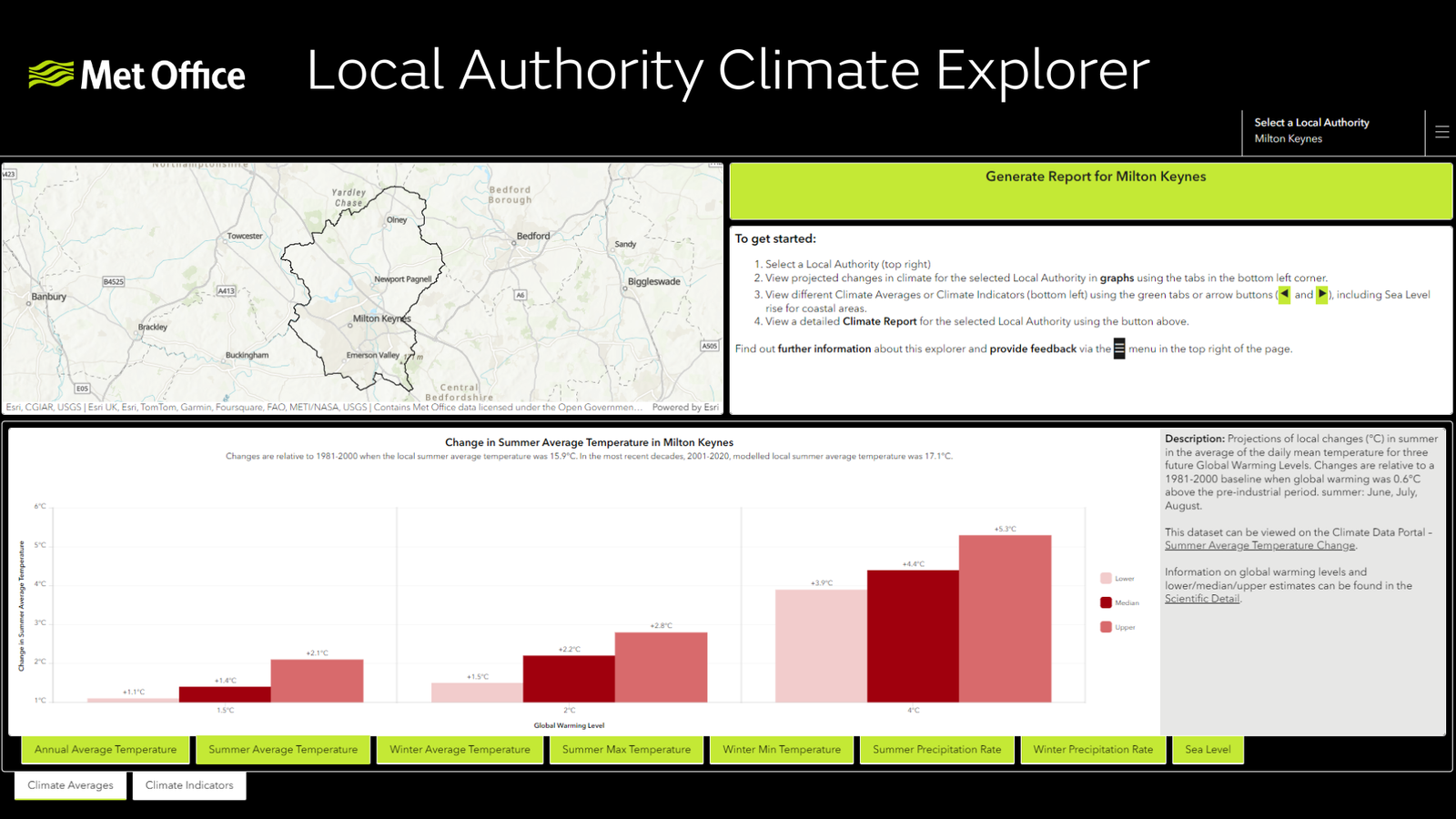
Met Office launches new Local Authority Climate Service

The Met Office has today launched the Local Authority Climate Service, a tool that provides local authorities with easy access to tailored information on climate change, to support local climate…

Express News

View All

Prime Minister Keir Starmer Criticises Decision to Ban Maccabi Tel Aviv Fans from Aston Villa Europa League Match

Prime Minister Sir Keir Starmer has publicly criticised the decision to prevent Maccabi Tel Aviv…

Energy access, renewable transition top the agenda at Somalia Success Stories Forum

MOGADISHU – Somali government officials and business leaders on Wednesday, Oct 15 called for greater…

Severe heatwaves and droughts are making extreme wildfires more frequent and intense worldwide

Human-driven climate change made wildfires in parts of South America and Southern California many times…

Ceasefire Holds Amid Prisoner Exchange and Tensions Following Egypt Summit

SHARM EL-SHEIKH, Egypt – A U.S.-brokered ceasefire agreement for Gaza, finalized during a high-stakes international summit,…

Instant Headlines

View All

Galmudug State Arrests Three Suspects in Gruesome Murder of Mother and Three Daughters

DHUUSAMAREEB, Somalia – In a swift and high-profile operation, the Galmudug regional state of Somalia has…

Somali Businessman Gunned Down in South Africa’s Cape Town

Somali Government Issues Warning Over Opposition Protest

Sharif’s Political Gamble to Undermine Hassan Sheikh Backfires Mogadishu (Caasimada Online) – October 9, 2025 When former Somali president Sharif Sheikh Ahmed publicly donated money to a woman who claimed to be the aunt of President Hassan Sheikh Mohamud, recently evicted from public land, it appeared at first glance to be a simple act of charity. But in reality, it was a well-calculated political move. Sharif’s intention was clear: to highlight what opposition leaders call the two greatest failures of the current administration — forced evictions in Mogadishu and nepotistic corruption within the presidency. Yet, the plan seems to have spectacularly backfired. Instead of painting President Hassan as a heartless ruler, the episode unexpectedly boosted the government’s image — showing, at least temporarily, a leadership willing to apply the law equally, regardless of personal ties. A Political Performance Disguised as Charity The woman, Mama Fowsiya, who said she was displaced from government land earmarked for public use, appeared emotionally before an audience organized by Sharif’s opposition party, Himilo Qaran. Tearfully, she told the crowd: “I am Fowsiya. I’m President Hassan’s aunt — his mother and I are sisters. I’ve never spoken about clan, but tonight I’m speaking from pain.” Her emotional speech went viral on social media, striking a chord with frustrated citizens and giving Sharif’s team the perfect opportunity to score political points. Taking the microphone, Sharif responded with calm gravitas: “You can all see her pain. The injustice in this country has reached intolerable levels. Our party has decided to give this family $1,000 in cash, another $1,000 for their daughter’s education, and to cover their monthly rent of $150.” He concluded: “You are not alone. Your rights will be restored, Insha’Allah.” The event, crafted as both a humanitarian gesture and a political statement, was meant to go viral — and it did. Videos of the scene spread rapidly, portraying Sharif as a compassionate elder statesman stepping in where the sitting president, once his ally, had allegedly failed. A Calculated Strike at a Sensitive Moment Sharif’s timing was no accident. Forced evictions in Mogadishu have become one of the city’s most politically charged issues. As the capital expands, entire communities — often poor families or internally displaced people — have been cleared from informal settlements to make way for development projects. The opposition has leveraged these evictions to argue that the government prioritizes concrete over compassion. Sharif’s gesture was meant to amplify that narrative, depicting the administration as cold, elitist, and disconnected from the struggles of ordinary citizens. But the move triggered an unexpected twist. Hassan Sheikh’s Calm Counter and a Reversal of Optics President Hassan Sheikh Mohamud publicly addressed the controversy on October 3, distancing his office from the eviction operations. He clarified that land management in Mogadishu falls under the city government, not the presidency: “The land in Mogadishu is under the municipality’s authority — just like in Baidoa, Dhusamareb, Garowe, or Kismayo. If there’s wrongdoing, we correct it. But the president doesn’t allocate land.” He went on to frame the issue in broader urban terms: “Mogadishu will no longer be a disaster zone — a place where Al-Shabaab hides, or where firefighters can’t reach, or where bodies are trapped in rubble. We’re rebuilding, opening roads, and enforcing order.” And, in a striking statement, he added: “I’m not afraid of people protesting. They have that right. Change is never easy, but it’s necessary.” His measured, non-defensive tone flipped the public narrative — turning what could have been a scandal into an example of governance and discipline. When a Political Trap Turns into a Moral Lesson Ironically, the very case that the opposition hoped would expose Hassan Sheikh’s cruelty ended up undermining their moral high ground. For many Somalis, the fact that even someone claiming to be the president’s aunt could be evicted reinforced an unfamiliar but powerful message: no one is above the law. In a political culture where clan loyalty often defines power and privilege, the idea that family ties don’t guarantee immunity felt revolutionary — even refreshing. Whether intentional or not, the outcome strengthened the perception that the president is serious about state discipline, not favoritism. A New Chapter in an Old Rivalry This episode adds another layer to the long-standing rivalry between Hassan Sheikh and Sharif Sheikh Ahmed. The two men — former allies turned adversaries — first clashed in the 2012 presidential race, where Hassan defeated Sharif. They briefly reunited against Mohamed Abdullahi Farmaajo during the last political transition, only for their alliance to collapse after Hassan’s 2022 victory. Since then, Sharif and his allies have accused the president of consolidating power and sidelining former partners — echoing the very grievances that now underpin their opposition movement. The eviction issue has become the latest battlefield in that ongoing chess game — one where Sharif’s move to expose moral failure instead gifted Hassan a fleeting moment of moral authority. The Takeaway: Politics, Power, and Perception The story of “Aunt Fowsiya”, as Somalis now call her, exposes the deeply entangled nature of Somali politics — where human suffering, public emotion, and political rivalry often merge into one. Sharif Sheikh Ahmed succeeded in highlighting a real humanitarian problem: the plight of Mogadishu’s displaced poor. But his attempt to use that pain for political leverage boomeranged, momentarily elevating Hassan Sheikh as a leader who enforces rules — even against family. The broader issues — land rights, corruption, and governance — remain unresolved. Yet in this round of Somalia’s never-ending political chess match, a move meant to wound ended up proving the opponent’s strength.

Somalia bets on Swahili to lock itself into East Africa’s future

Sharif’s Political Gamble to Undermine Hassan Sheikh Backfires Mogadishu (Caasimada Online) – October 9, 2025 When former Somali president Sharif Sheikh Ahmed publicly donated money to a woman who claimed to be the aunt of President Hassan Sheikh Mohamud, recently evicted from public land, it appeared at first glance to be a simple act of charity. But in reality, it was a well-calculated political move. Sharif’s intention was clear: to highlight what opposition leaders call the two greatest failures of the current administration — forced evictions in Mogadishu and nepotistic corruption within the presidency. Yet, the plan seems to have spectacularly backfired. Instead of painting President Hassan as a heartless ruler, the episode unexpectedly boosted the government’s image — showing, at least temporarily, a leadership willing to apply the law equally, regardless of personal ties. A Political Performance Disguised as Charity The woman, Mama Fowsiya, who said she was displaced from government land earmarked for public use, appeared emotionally before an audience organized by Sharif’s opposition party, Himilo Qaran. Tearfully, she told the crowd: “I am Fowsiya. I’m President Hassan’s aunt — his mother and I are sisters. I’ve never spoken about clan, but tonight I’m speaking from pain.” Her emotional speech went viral on social media, striking a chord with frustrated citizens and giving Sharif’s team the perfect opportunity to score political points. Taking the microphone, Sharif responded with calm gravitas: “You can all see her pain. The injustice in this country has reached intolerable levels. Our party has decided to give this family $1,000 in cash, another $1,000 for their daughter’s education, and to cover their monthly rent of $150.” He concluded: “You are not alone. Your rights will be restored, Insha’Allah.” The event, crafted as both a humanitarian gesture and a political statement, was meant to go viral — and it did. Videos of the scene spread rapidly, portraying Sharif as a compassionate elder statesman stepping in where the sitting president, once his ally, had allegedly failed. A Calculated Strike at a Sensitive Moment Sharif’s timing was no accident. Forced evictions in Mogadishu have become one of the city’s most politically charged issues. As the capital expands, entire communities — often poor families or internally displaced people — have been cleared from informal settlements to make way for development projects. The opposition has leveraged these evictions to argue that the government prioritizes concrete over compassion. Sharif’s gesture was meant to amplify that narrative, depicting the administration as cold, elitist, and disconnected from the struggles of ordinary citizens. But the move triggered an unexpected twist. Hassan Sheikh’s Calm Counter and a Reversal of Optics President Hassan Sheikh Mohamud publicly addressed the controversy on October 3, distancing his office from the eviction operations. He clarified that land management in Mogadishu falls under the city government, not the presidency: “The land in Mogadishu is under the municipality’s authority — just like in Baidoa, Dhusamareb, Garowe, or Kismayo. If there’s wrongdoing, we correct it. But the president doesn’t allocate land.” He went on to frame the issue in broader urban terms: “Mogadishu will no longer be a disaster zone — a place where Al-Shabaab hides, or where firefighters can’t reach, or where bodies are trapped in rubble. We’re rebuilding, opening roads, and enforcing order.” And, in a striking statement, he added: “I’m not afraid of people protesting. They have that right. Change is never easy, but it’s necessary.” His measured, non-defensive tone flipped the public narrative — turning what could have been a scandal into an example of governance and discipline. When a Political Trap Turns into a Moral Lesson Ironically, the very case that the opposition hoped would expose Hassan Sheikh’s cruelty ended up undermining their moral high ground. For many Somalis, the fact that even someone claiming to be the president’s aunt could be evicted reinforced an unfamiliar but powerful message: no one is above the law. In a political culture where clan loyalty often defines power and privilege, the idea that family ties don’t guarantee immunity felt revolutionary — even refreshing. Whether intentional or not, the outcome strengthened the perception that the president is serious about state discipline, not favoritism. A New Chapter in an Old Rivalry This episode adds another layer to the long-standing rivalry between Hassan Sheikh and Sharif Sheikh Ahmed. The two men — former allies turned adversaries — first clashed in the 2012 presidential race, where Hassan defeated Sharif. They briefly reunited against Mohamed Abdullahi Farmaajo during the last political transition, only for their alliance to collapse after Hassan’s 2022 victory. Since then, Sharif and his allies have accused the president of consolidating power and sidelining former partners — echoing the very grievances that now underpin their opposition movement. The eviction issue has become the latest battlefield in that ongoing chess game — one where Sharif’s move to expose moral failure instead gifted Hassan a fleeting moment of moral authority. The Takeaway: Politics, Power, and Perception The story of “Aunt Fowsiya”, as Somalis now call her, exposes the deeply entangled nature of Somali politics — where human suffering, public emotion, and political rivalry often merge into one. Sharif Sheikh Ahmed succeeded in highlighting a real humanitarian problem: the plight of Mogadishu’s displaced poor. But his attempt to use that pain for political leverage boomeranged, momentarily elevating Hassan Sheikh as a leader who enforces rules — even against family. The broader issues — land rights, corruption, and governance — remain unresolved. Yet in this round of Somalia’s never-ending political chess match, a move meant to wound ended up proving the opponent’s strength.

When former Somali president Sharif Sheikh Ahmed publicly donated money to a woman who claimed to be the aunt of President Hassan Sheikh Mohamud, recently […]